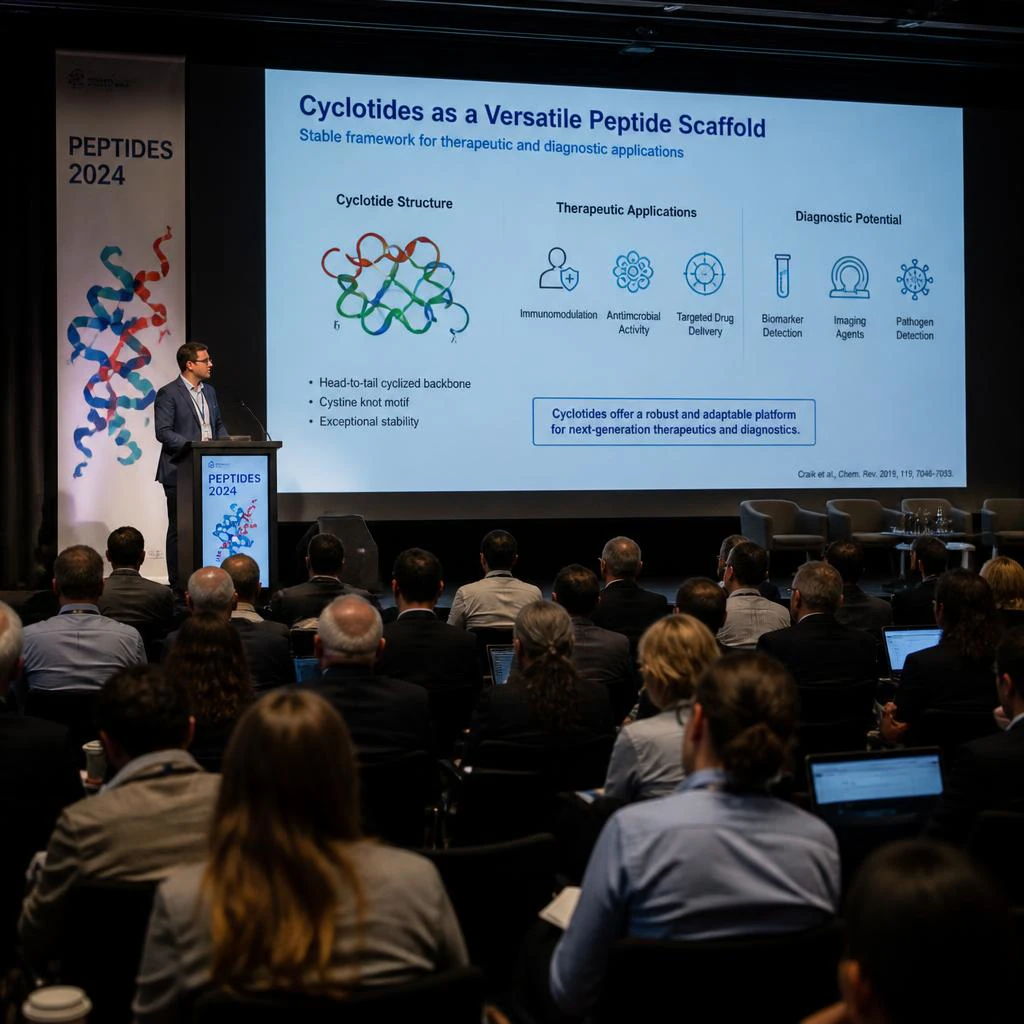
Research Peptides Costa Rica Videos for Scientific Peptide Learning
Researchers and laboratory professionals continually seek dependable educational resources that explain peptide science in a clear and practical way. Video-based learning has become one of the most effective methods for understanding laboratory concepts because it combines visual demonstrations with detailed explanations. As interest in Peptides Costa Rica continues to expand among research communities, educational YouTube content provides an accessible way to explore peptide topics, laboratory handling practices, and general scientific discussions. These resources help viewers build a stronger understanding of peptide research while encouraging responsible laboratory procedures and ongoing education. Rather than replacing scientific literature, educational videos complement textbooks, journals, and laboratory manuals by presenting information in an engaging format that is easier to understand and apply in research settings.
Why Educational Video Content Matters
Scientific education has evolved significantly with the growth of online learning platforms. Educational videos allow researchers to study complex peptide concepts at their own pace while revisiting important topics whenever necessary. Unlike traditional written materials, videos often combine diagrams, animations, and spoken explanations to improve understanding.
Researchers can benefit from educational content that explains laboratory terminology, discusses peptide classifications, and introduces general research principles without overwhelming new learners. These resources are especially valuable for individuals beginning their journey in peptide research, while experienced laboratory professionals can also use them to refresh existing knowledge or stay informed about current scientific discussions.
Understanding Laboratory Peptides
Peptides are short chains of amino acids that play an important role in scientific research. Their unique biological characteristics make them valuable subjects for laboratory investigations across numerous research fields. Educational content helps explain how peptides differ from proteins, how they are categorized, and why researchers continue studying their biological properties.
Many educational videos introduce topics such as peptide synthesis, storage recommendations, laboratory handling techniques, and experimental considerations. These discussions help researchers understand fundamental concepts before working within controlled laboratory environments.
Learning Through Visual Demonstrations
Visual learning has become an important component of modern scientific education. Educational videos simplify difficult concepts by presenting demonstrations that are often easier to understand than written descriptions alone. Viewers can observe explanations of laboratory procedures, peptide preparation concepts, and scientific workflows through carefully organized presentations.
Common educational topics include:
- Peptide classifications and terminology
- Laboratory handling recommendations
- Storage and preservation discussions
- Scientific research methodologies
- Frequently asked laboratory questions
- General peptide education for researchers
These presentations help researchers better understand laboratory concepts while reinforcing information obtained from textbooks, scientific publications, and academic resources. Repeating visual demonstrations also supports long-term knowledge retention and encourages consistent laboratory learning practices.

Supporting Scientific Knowledge with Trusted References
Reliable scientific education should always be supported by established research resources. While educational videos provide valuable explanations, researchers should also consult recognized scientific databases to verify terminology, biological functions, and molecular information.
One respected authority is the PubChem, which provides extensive scientific information about chemical compounds, biomolecules, and related research data. It serves as an excellent educational reference for laboratory professionals seeking accurate scientific information relevant to peptide research.
Choosing High-Quality Educational Resources
Not all educational content provides the same level of scientific value. Researchers should evaluate learning resources carefully by selecting channels that prioritize factual information, responsible laboratory discussions, and educational transparency. High-quality educational videos focus on explaining scientific concepts rather than making unsupported claims.
Useful educational resources often include:
- Clear scientific explanations
- Consistent educational updates
- Laboratory-focused discussions
- Accurate peptide terminology
- Balanced presentations of research topics
- Easy-to-follow educational formats
Choosing reliable educational materials supports better decision-making in laboratory environments while encouraging continuous professional development. Well-produced educational content also helps reduce misunderstandings by presenting scientific information in a structured and responsible manner.
Continuous Learning in Peptide Research
Scientific knowledge continues to evolve as researchers explore new discoveries involving peptides and their biological characteristics. Educational YouTube channels provide an accessible way to stay informed about general research topics, laboratory concepts, and scientific discussions that support ongoing learning. By regularly engaging with educational content, researchers can strengthen their understanding of peptide science while reinforcing the principles learned through academic study and laboratory experience.
Continuous education remains essential for scientific growth because new research findings frequently expand existing knowledge and introduce new areas of investigation. Combining educational videos with peer-reviewed literature, trusted scientific databases, and laboratory experience creates a balanced approach to learning that benefits both new and experienced researchers. As peptide research continues to develop, educational resources will remain valuable tools for improving scientific understanding, encouraging responsible laboratory practices, and supporting long-term professional development within the research community.