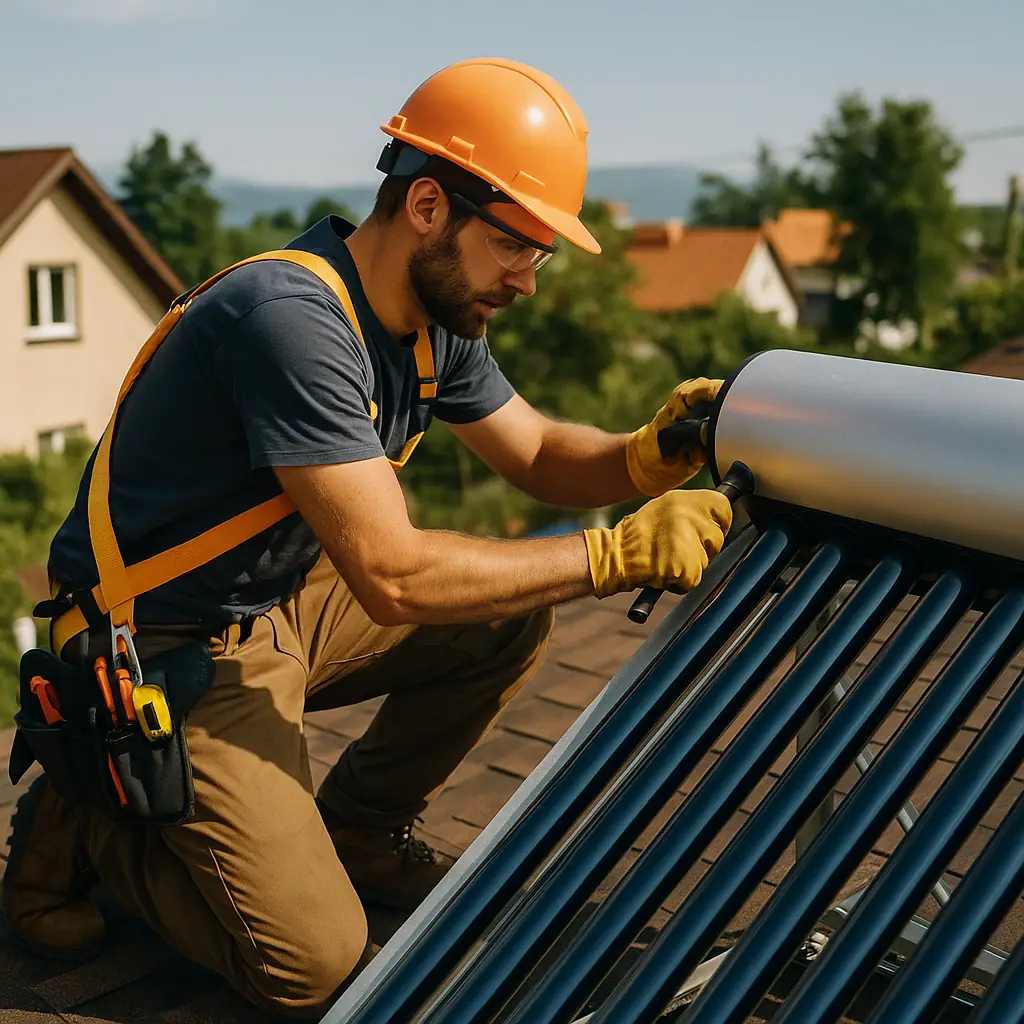
Harnessing the Sun: A Comprehensive Guide to Solar Water Heaters

Benefits Of Solar Heaters

about solar water heaters, these innovative systems use the sun’s energy to heat water for residential or commercial use. By capturing sunlight through solar collectors, they convert solar radiation into thermal energy, offering an eco-friendly and cost-effective alternative to traditional water heating methods. In regions with abundant sunlight, solar water heaters can significantly reduce energy bills, lower carbon footprints, and even increase property value due to their sustainable appeal.

How Solar Water Heaters Work

Solar water heating systems operate through two main components: solar collectors and storage tanks. The collectors, usually installed on rooftops, absorb sunlight and transfer the heat to a fluid circulating through them. This heated fluid then passes through a heat exchanger in the storage tank, warming the water for household or commercial use.

There are two primary types of solar water heaters:

  • Active Systems: These systems use pumps to circulate water or a heat-transfer fluid through the collectors. They are categorized into:
  • Direct circulation systems: Pump potable water directly through the collectors.
  • Indirect circulation systems: Use a non-freezing heat-transfer fluid to transfer heat to water in the tank, ideal for colder climates to prevent freezing.
  • Passive Systems: These rely on natural convection and gravity to circulate water. Passive systems are simpler, require no external energy to operate, and have fewer mechanical parts, but they tend to be less efficient than active systems.

Benefits of Solar Water Heaters

Cost Savings

One of the most compelling reasons to install a solar water heater is the potential for significant cost savings. By reducing reliance on electricity or gas for water heating, homeowners can lower their energy bills by 50% to 80% in many cases. Over time, these savings often outweigh the initial installation costs, making solar water heaters a financially smart investment.

Climate Suitable Solar Heating

Environmental Impact

Solar water heaters are an environmentally friendly choice. They reduce greenhouse gas emissions by harnessing renewable solar energy instead of relying on fossil fuels. This contributes to combating climate change, lowering air pollution, and promoting a sustainable lifestyle. For homeowners who are environmentally conscious, solar water heaters are a tangible way to make a positive impact.

Energy Independence

Generating your own hot water reduces dependency on utility companies and fluctuating energy prices. Solar water heaters provide more control over your energy costs and help homeowners achieve greater energy independence. This can be particularly advantageous in areas with high energy rates or frequent power outages.

Low Maintenance and Longevity

With fewer moving parts compared to traditional water heaters, solar systems require minimal maintenance. Routine inspections, occasional cleaning of collectors, and checking for leaks are usually sufficient. With proper care, solar water heaters can last 15–25 years, providing reliable service for decades.

Considerations Before Installation

Upfront Costs

While the initial cost of solar water heating systems can be higher than conventional water heaters, financial incentives such as tax credits, rebates, and financing options are often available. Over time, energy savings can offset the upfront investment, making solar water heaters a cost-effective choice in the long run.
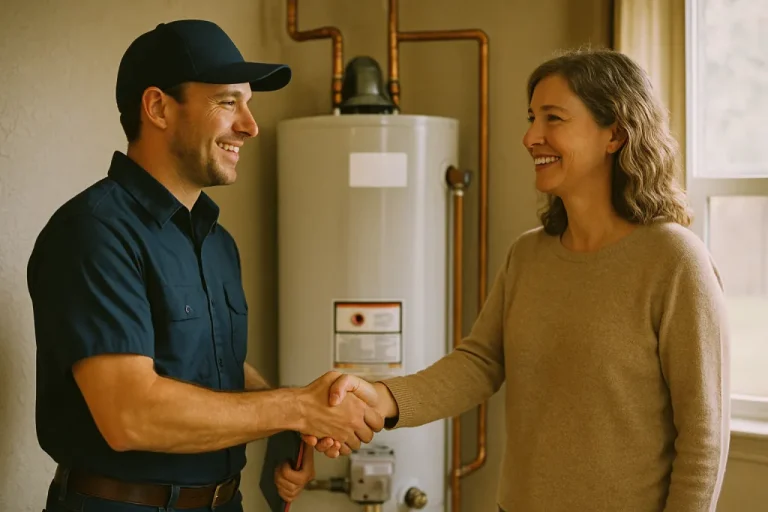
Renewable Energy Water Heaters

Climate Suitability

The effectiveness of solar water heaters depends on sunlight availability. Areas with frequent cloud cover or limited sunlight may require supplemental heating systems to ensure consistent hot water supply. It’s important to evaluate local climate conditions when planning a solar water heating system.

Space Requirements

Solar collectors require adequate space for installation. Rooftops should be unobstructed and structurally capable of supporting the system. Ground-mounted systems are an alternative in areas where roof space is limited.

System Type Selection

Choosing between passive and active systems depends on budget, climate, and space availability. Active systems provide higher efficiency but involve more complexity and cost, while passive systems are simpler, more reliable, and better suited for moderate climates.

Installation and Maintenance

Proper installation is critical for optimal performance. Certified professionals can assess your property, design the system for maximum efficiency, and install it safely. Regular maintenance, including checking the collectors, fluid levels, and insulation, ensures long-term efficiency and extends the system’s lifespan.

Conclusion

Solar water heaters offer a sustainable, efficient, and cost-effective solution for hot water needs. Although the initial investment may seem high, the long-term benefits energy savings, environmental protection, and energy independence make it a smart choice for homeowners. With proper installation and maintenance, these systems can provide decades of reliable service, reducing both costs and carbon footprints.

Solar Hot Water Systems

Related Post

Exploring the Art of Finningham Barn Transformations

Barn transformations represent a unique blend of preserving history while embracing modernity. Finningham, a village known for its picturesque landscapes in Suffolk, England, has become a focal point for such innovative architectural endeavors. The specialists who undertake these transformations are tasked with the delicate job of maintaining the rustic charm of these structures while converting them into functional, contemporary spaces. This article delves into the world of Finningham barn transformations specialists, exploring their techniques, challenges, and the beauty they bring to these historic structures.

The Appeal of Barn Transformations

The allure of barn transformations lies in their ability to provide a second life to structures that were once pivotal to rural life. These buildings, often centuries old, carry with them a history and craftsmanship that are irreplaceable. However, as agriculture evolves and fewer barns are needed for their original purpose, transforming these spaces offers an opportunity to preserve their legacy.

Modern lifestyles demand comfort, efficiency, and connectivity, requirements that were not considered when these barns were first constructed. Finningham barn transformations specialists are skilled in reimagining these spaces to meet contemporary needs while respecting their heritage. The result is a harmonious blend of old and new, offering unique living or working spaces filled with character.

The Role of Specialists

The transformation of a barn is far from straightforward. It requires a deep understanding of both the structure’s historical significance and the technical challenges involved in its conversion. This is where Finningham barn transformations specialists come into play. Their expertise lies not only in architecture and design but also in navigating the regulatory landscape that governs such projects.

Navigating planning permissions is a significant aspect of their work. Given the historical value of many barns, there are often strict guidelines on what can and cannot be altered. Specialists must therefore work closely with local authorities to ensure their designs are compliant while still achieving the vision of their clients.

Challenges and Solutions

One of the primary challenges in barn transformations is maintaining the integrity of the original structure while ensuring it meets modern standards of living, such as insulation, lighting, and heating. Specialists often employ innovative solutions to these problems, such as using sustainable materials that blend seamlessly with the barn’s aesthetic or incorporating glass to bring natural light into these traditionally dark spaces.

Another challenge lies in the internal layout. Barns were not designed with human habitation in mind, thus creating functional, comfortable spaces requires creative design solutions. This might involve the careful placement of mezzanines, partitions, or glass to define different areas without compromising the open, airy feel that makes barn conversions so appealing.

The Results

The transformation of a barn into a modern dwelling or workspace is nothing short of transformative. Not only do these projects breathe new life into structures at risk of decay, but they also contribute to the sustainability of our built environment by repurposing existing buildings rather than constructing new ones.

The interiors of transformed barns are often awe-inspiring, with high ceilings, exposed beams, and open-plan living areas that juxtapose rustic elements with contemporary design. Each project is unique, reflecting the history of the barn as well as the personality and requirements of its occupants.

For those interested in undertaking such a project, or simply wishing to learn more about this fascinating process, visiting Finningham barn transformations specialists offers a wealth of information and inspiration. Their portfolio showcases the potential of these historic structures and highlights the craftsmanship and innovation that define their work.

Conclusion

Barn transformations in Finningham represent a unique intersection of history, architecture, and sustainability. The specialists who undertake these projects play a crucial role in ensuring that these structures can continue to be a part of the landscape for generations to come. By blending traditional craftsmanship with modern design, they create spaces that are not only functional and beautiful but also deeply rooted in the area’s heritage. The transformation of barns into dwellings or workspaces is a testament to the enduring appeal of these historic structures and the creativity and skill of those who reimagine them for a new era.

Navigating Group Health Insurance Options in New Jersey

Employees Reviewing Health Plan Options

New Jersey Group Health Insurance offers a vital safety net for employees and employers alike, playing a pivotal role in ensuring access to quality healthcare. As the Garden State continues to foster a strong economy with a diverse workforce, the demand for reliable and comprehensive group health insurance plans has never been greater. Whether you’re a small business owner or a large corporation, understanding the ins and outs of group health insurance in New Jersey is crucial for making informed decisions that benefit both your company and your employees.

Why Group Health Insurance Matters in New Jersey

Group health insurance is not just a benefit it’s a strategic tool that businesses use to attract and retain top talent. In today’s competitive job market, offering health insurance is often a deciding factor for potential employees. In New Jersey, where healthcare costs can be high, group plans help lower individual premiums and out-of-pocket expenses through shared risk and negotiation with providers.

Regulations and Compliance in New Jersey

New Jersey has a robust regulatory framework for group health insurance, governed by both state and federal laws. Employers with 50 or more full-time employees are required under the Affordable Care Act (ACA) to offer health insurance or face penalties. The New Jersey Department of Banking and Insurance (DOBI) plays a key role in overseeing the market and ensuring compliance with state laws.

One unique feature of New Jersey’s health insurance landscape is its proactive approach to consumer protection. For example, the state maintains its own individual mandate, requiring residents to have health insurance or pay a penalty, which helps stabilize premiums by keeping more people in the insurance pool.

Types of Group Health Insurance Plans

New Jersey employers have several options when it comes to selecting a group health insurance plan:

  • Health Maintenance Organization (HMO) plans typically offer lower premiums and out-of-pocket costs but require members to use a network of doctors and get referrals for specialists.
  • Preferred Provider Organization (PPO) plans provide more flexibility in choosing healthcare providers and do not require referrals, though costs can be higher.
  • Exclusive Provider Organization (EPO) plans are a hybrid of HMOs and PPOs, offering limited out-of-network coverage.
  • High Deductible Health Plans (HDHPs) paired with Health Savings Accounts (HSAs) are becoming popular for businesses seeking to lower premiums and promote employee-managed healthcare spending.

Choosing the right plan depends on the size of the business, the needs of employees, and budget considerations.

Team Meeting About Insurance Coverage

Cost Considerations and Tax Benefits

Providing group health insurance in New Jersey involves financial planning, but there are notable cost-sharing and tax advantages. Premium costs are typically split between employer and employee, and employer contributions are generally tax-deductible as a business expense.

Additionally, small businesses with fewer than 25 full-time equivalent employees and average wages below a certain threshold may qualify for the Small Business Health Care Tax Credit. This can offset up to 50% of premium costs if purchased through the Small Business Health Options Program (SHOP).

How to Choose a Group Health Insurance Provider

Selecting the right insurance provider involves evaluating coverage options, premium rates, network size, customer service, and the ability to customize plans. Major insurers in New Jersey include Horizon Blue Cross Blue Shield, Aetna, UnitedHealthcare, Cigna, and AmeriHealth. Each offers unique plans and benefits tailored to different business sizes and employee needs.

Employers should also consider working with a licensed insurance broker who understands New Jersey’s market. Brokers can compare quotes, navigate compliance requirements, and help design plans that align with business goals and employee preferences.

Conclusion

In a state as dynamic and densely populated as New Jersey, offering competitive group health insurance is more than a perk it’s a necessity. From ensuring regulatory compliance to enhancing employee satisfaction and productivity, New Jersey Group Health Insurance stands as a cornerstone of a successful business strategy.

By carefully assessing plan options, leveraging available tax benefits, and prioritizing the wellbeing of their workforce, New Jersey employers can make meaningful investments in both the health of their employees and the long-term success of their businesses.

Small Business Health Plan

The Ripple Effect: How a Green Relationship Creates Lasting Community Impact

From Personal Values to Shared Public Action

You’ve found your eco-conscious partner in London, and your relationship is thriving on shared values, healthy habits, and ethical choices. But the positive influence of your green partnership doesn’t stop at your front door. The very nature of an eco-conscious relationship generates a powerful ripple effect that extends far beyond your personal connection, enriching your local community and inspiring positive change in your wider social circles. A relationship built on sustainability is a public statement of hope and a practical blueprint for a better world according to  https://theridgewoodblog.net/casual-hookups-in-a-small-town-vs-big-city-similarities-and-differences/.

When couples actively choose to live sustainably, their joint actions provide a highly visible and compelling example to friends, family, and neighbours. For instance, consistently carrying your own reusable coffee cups at a local London café, or proudly shopping at a zero-waste market, prompts curiosity and conversations. Your shared commitment effectively “normalises” sustainable behaviours, making it easier for others to adopt similar practices without feeling isolated or overwhelmed.

Influencing the Social Circle: Dates as Advocacy

Think about your double dates and social gatherings. Instead of suggesting an expensive, high-consumption dinner, your couple might propose a community garden clean-up followed by a picnic with locally sourced food. Or, rather than a conventional holiday, you might plan an ethically responsible travel experience. These choices transform social activities into low-key advocacy.

The benefits of eco-conscious dating that we explored earlier—enhanced health, reduced financial strain, and deepened emotional connection—become visible proof that a green lifestyle is not about deprivation, but about a richer, more vibrant way of life. When your friends see your healthy, thriving partnership, they are more likely to be inspired by the choices that underpin it. Your relationship, in a subtle way, becomes a relatable, living guide to sustainable living.

Supporting Local and Ethical Economies

The joint economic decisions made by an eco-conscious couple have a direct and measurable impact on the local London economy. By committing to ethical and local sourcing—choosing independent grocers, organic produce markets, and businesses with demonstrable sustainable practices (like the examples in Article 1: Farmacy, The Duke of Cambridge)—you are actively diverting money away from global, resource-intensive corporations.

This collective action supports small, ethical businesses that often share your environmental values, helping them to thrive. In essence, your relationship’s budget becomes a tool for conscious investment in the community and the planet. This focus on ethical commerce reinforces the idea that love and money can be aligned for greater good according to  https://www.essentialtribune.com/.

Teamwork for the Planet: Making a Difference Together

A green partnership fosters an action-oriented mindset. You are not just two individuals living side-by-side; you are a two-person team dedicated to making a positive difference. This collaboration can manifest in various ways:

  • Joint Advocacy: Attending local council meetings together to support green initiatives.
  • Skill Sharing: Teaching friends or family members how to compost or upcycle.
  • Community Projects: Leading or participating in a community project, such as setting up a local recycling scheme.

This shared commitment to community action strengthens your bond even further, as you tackle real-world problems side-by-side. The challenges you solve together for the community (e.g., organising a clothes swap) are miniature practice runs for solving challenges within your relationship, reinforcing teamwork and resilience.

Ultimately, an eco-conscious relationship in London offers a powerful message: love, health, and a healthy planet are all deeply interconnected. By making deliberate, mindful choices about dating, consumption, and community involvement, your green love story doesn’t just benefit the two of you—it creates a lasting, positive ripple effect for everyone around you.